Holovera
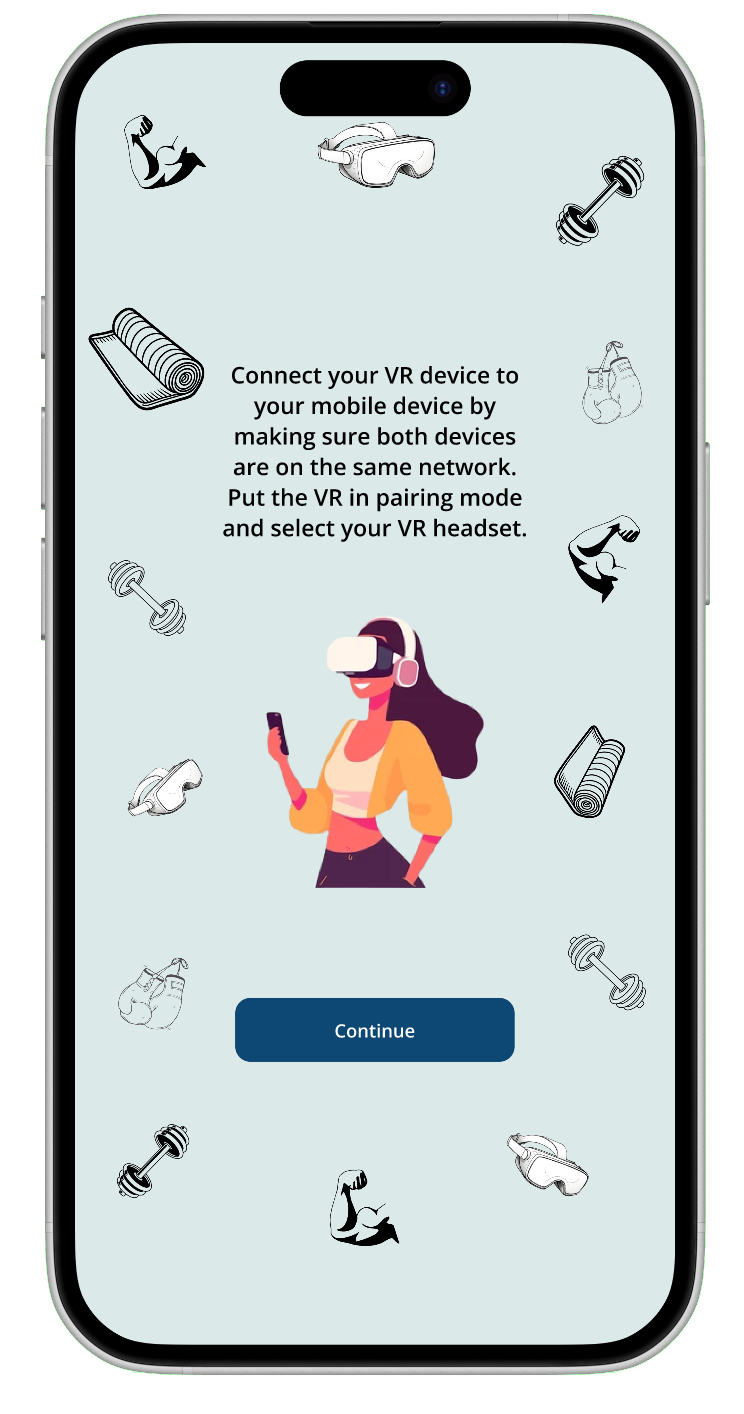
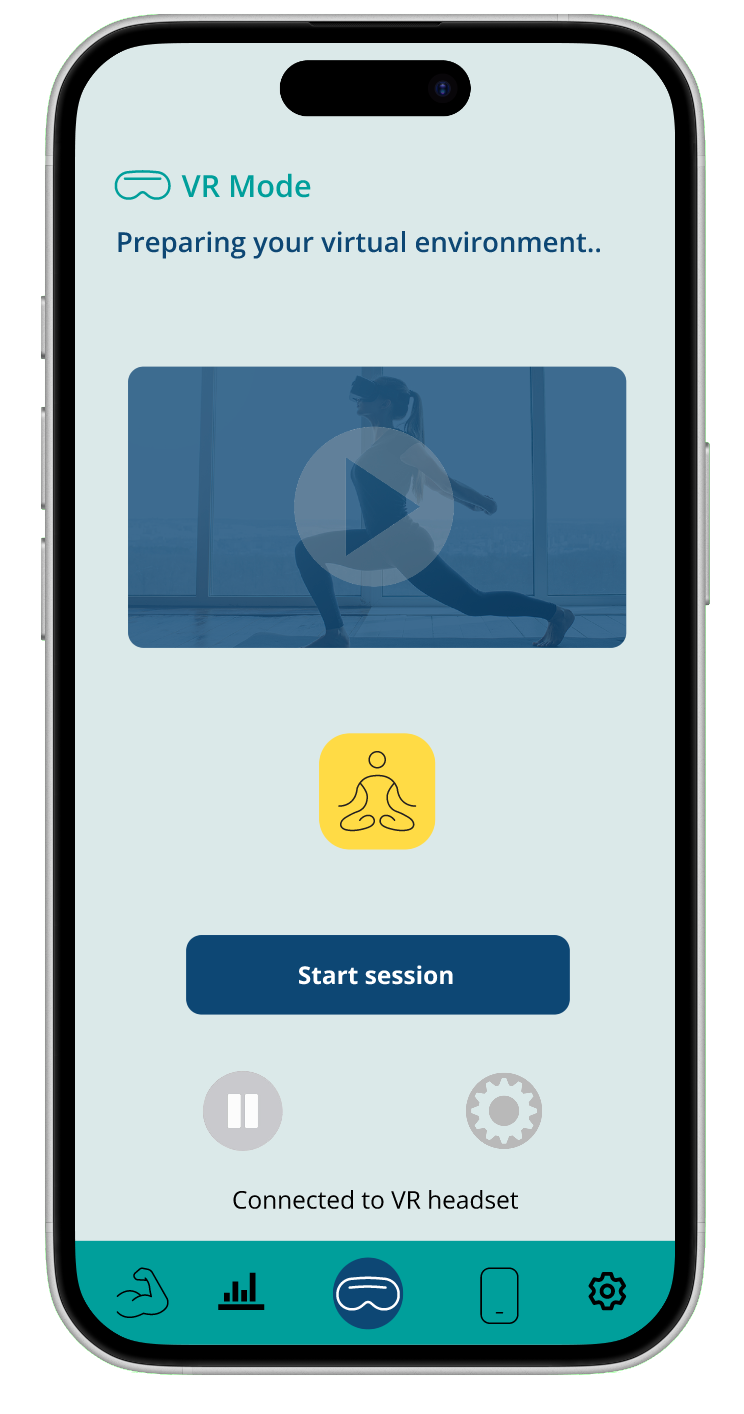
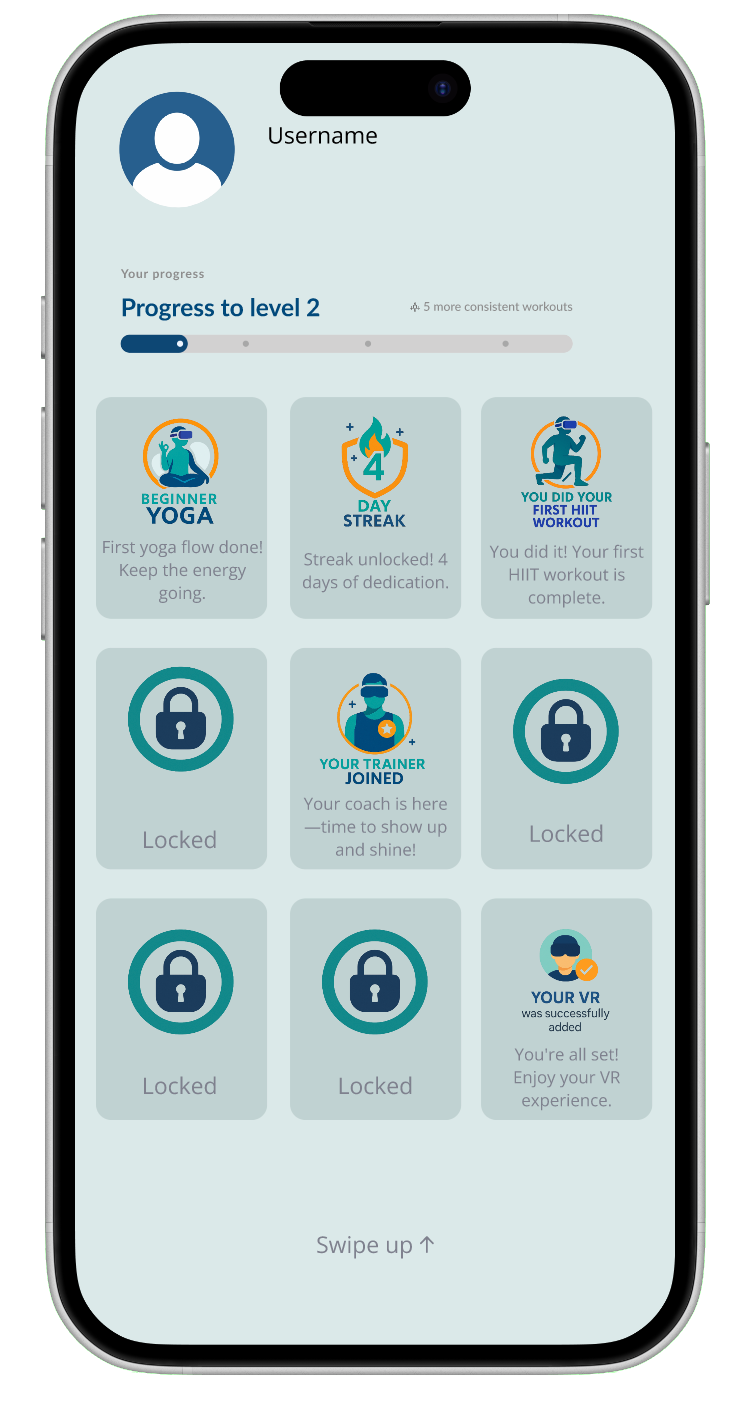
Holovera is a VR fitness platform that lets users train solo, join group workouts, or connect with personal trainers in a fully immersive environment.
Role
Product Manager
Team
Melissa Vozar
Melissa Cho
Ayesha Abbasi
Samuel Massaro
Timeline
September - December 2025
Tools
Figma
Google Forms
My 4-person team and I were tasked with developing an XR product focused on health and wellness. We created Holovera, a VR system that immerses users in the gym experience — from fitness classes to personal training. Using design thinking principles and research methods like user interviews and surveys, we gathered real-world feedback to shape the product.
Overview
Shifting work habits have created new demands. Many individuals now primarily work remotely, limiting their access to traditional commuting routines and in-person fitness options. This evolving landscape presents both a challenge and an opportunity.
Problem
A virtual reality platform that simulates a full gym environment. It enables users to participate in group workouts from anywhere, engage with personal trainers, and enjoy both solo and social workout sessions with friends. The platform offers a variety of activities, including yoga, kickboxing, HIIT, and more.
Solution
Gantt Chart
To keep the team aligned, I developed a Gantt chart that laid out our project timeline and made it easy to track task ownership and progress at a glance.
To gather qualitative data, my team and I developed and administered a survey completed by 26 participants. The results provided deeper insights into the behaviors, preferences, and needs of gym-goers.
Survey Results
Majority of participants stopped using personal training services after previously using them.
Shows there is still strong interest in personal training, but retention and continuity are low
Majority of participants would not join a gym for personal training only.
Shows that people are deterred from using personal trainers because of gym memberships.
Majority of participants have familiarity and experience with virtual reality (VR).
More familiarity facilitates transition, and reduces initial pain points.
Price and scheduling are main factors when deciding to use a personal trainer.
Among participants, 46% cited having gym access as a critical factor. Holovera would not require a gym membership.
To gain a better understanding of this potential experience, we conducted two interviews with personal trainers to learn about their perceptions of virtual personal training, the technology they currently use with clients, the current level of demand, and their thoughts on the future of VR-based personal training.
Interviews
“We are at a bridge point where people are more familiar with virtual options, but are still experimenting.”
“[Clients can easily] get their session done in the middle of the work day.”
My team and I developed three user personas to better understand our target audience and guide design decisions for Holovera.
User Personas
My team and I created user journey maps to visualize the end-to-end experience, identify pain points and opportunities, and inform design decisions for Holovera.
Journey Maps
User Flow Diagram
Here you can find a quick overview of the final prototype.
The full interactive prototype can be found here.
Final Prototype
Case Study Slides
Key Takeaways
Led without being the domain expert. I had no prior VR experience, but I learned that leading a specialized team is about structure and alignment — not matching their technical depth.
Turned structure into a multiplier. With a team strong in design and research, my focus on timelines, scope, and success criteria let them do their best work without losing the bigger picture.
Used the team as my crash course. Instead of trying to "catch up" on VR independently, I leaned on active listening and structured check-ins with my team to stay grounded in real user research, not assumptions.
Helped define success in an undefined space. VR UX doesn't have the same established heuristics as traditional design, so a key part of my role was translating ambiguity into measurable criteria the team could work toward.
Keep Exploring My Work